
Divine Sunday Service - 9am
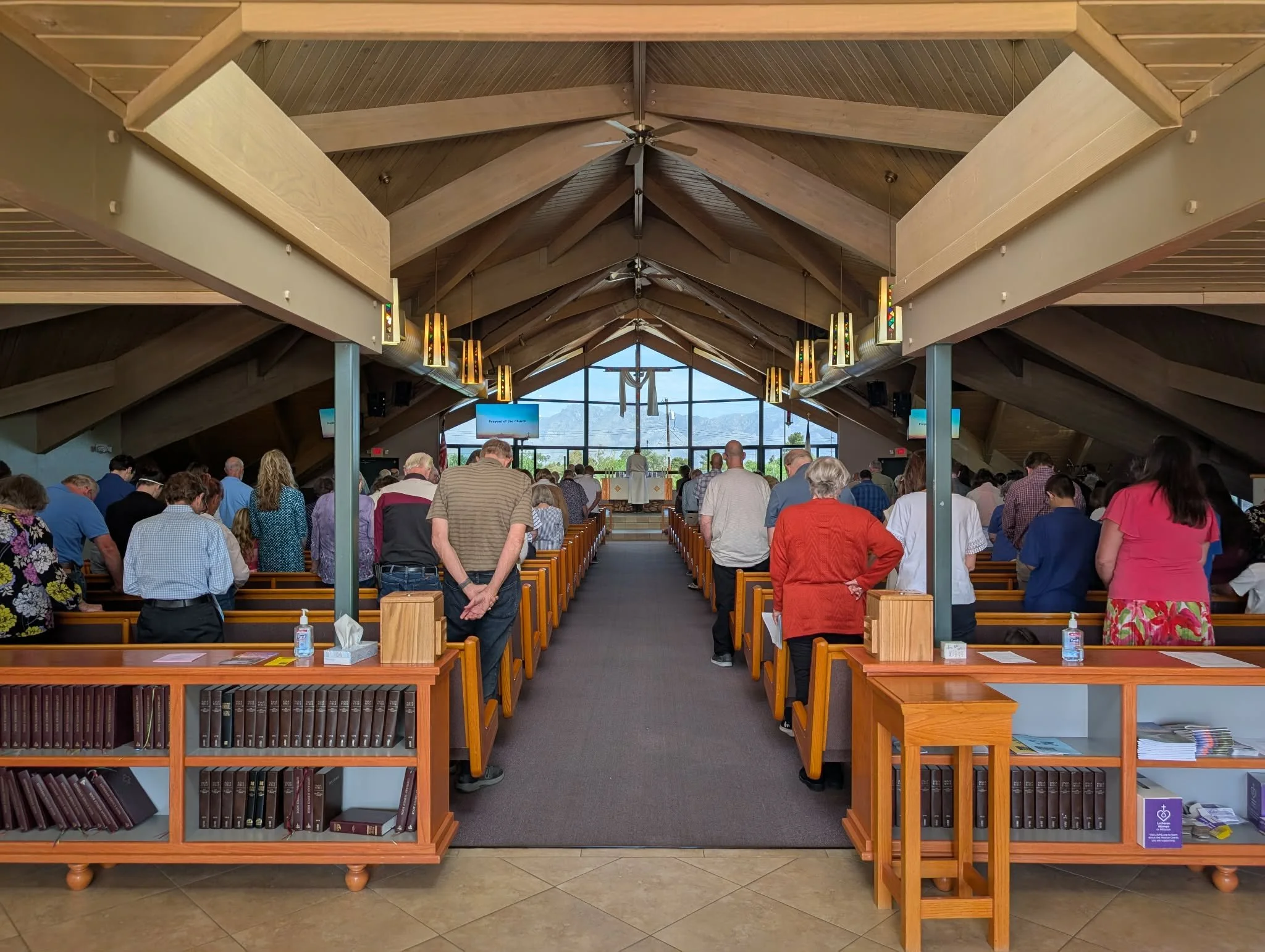
What does worship look like at Fountain of Life?
Our worship services are the hub of all our activity with God, and with one another. Like the early church, we are “devoted to the Apostles’ teaching [the New Testament scriptures] and the fellowship [being together in the Holy Spirit], the breaking of bread [the Eucharist] and the prayers [our spoken and sung communion with Christ].” – Acts 2:42
Church worship services have traditionally been called “Divine Services.” This is because God is with us, at work in us through the means of grace He provides. Worship, then, is not something we muster up in order to please Him … rather, it’s our humble, obedient reception of everything He promises to give us when we’re together. We follow the church’s ancient and historic practice of following what is called “a liturgy.” This liturgy (or ‘order of service’) has been a vital part of the church’s practice for two millennia. It’s not just four pop tunes and a self-help seminar! Every moment of every service is profoundly purposeful and is exercised with the expectation of rich spiritual formation. We believe a renewal of this brand of classical worship is exactly what the post-modern church needs. More than “Lutheran”, we aim for our worship to be Biblically and historically faithful to everything worship is meant to be.
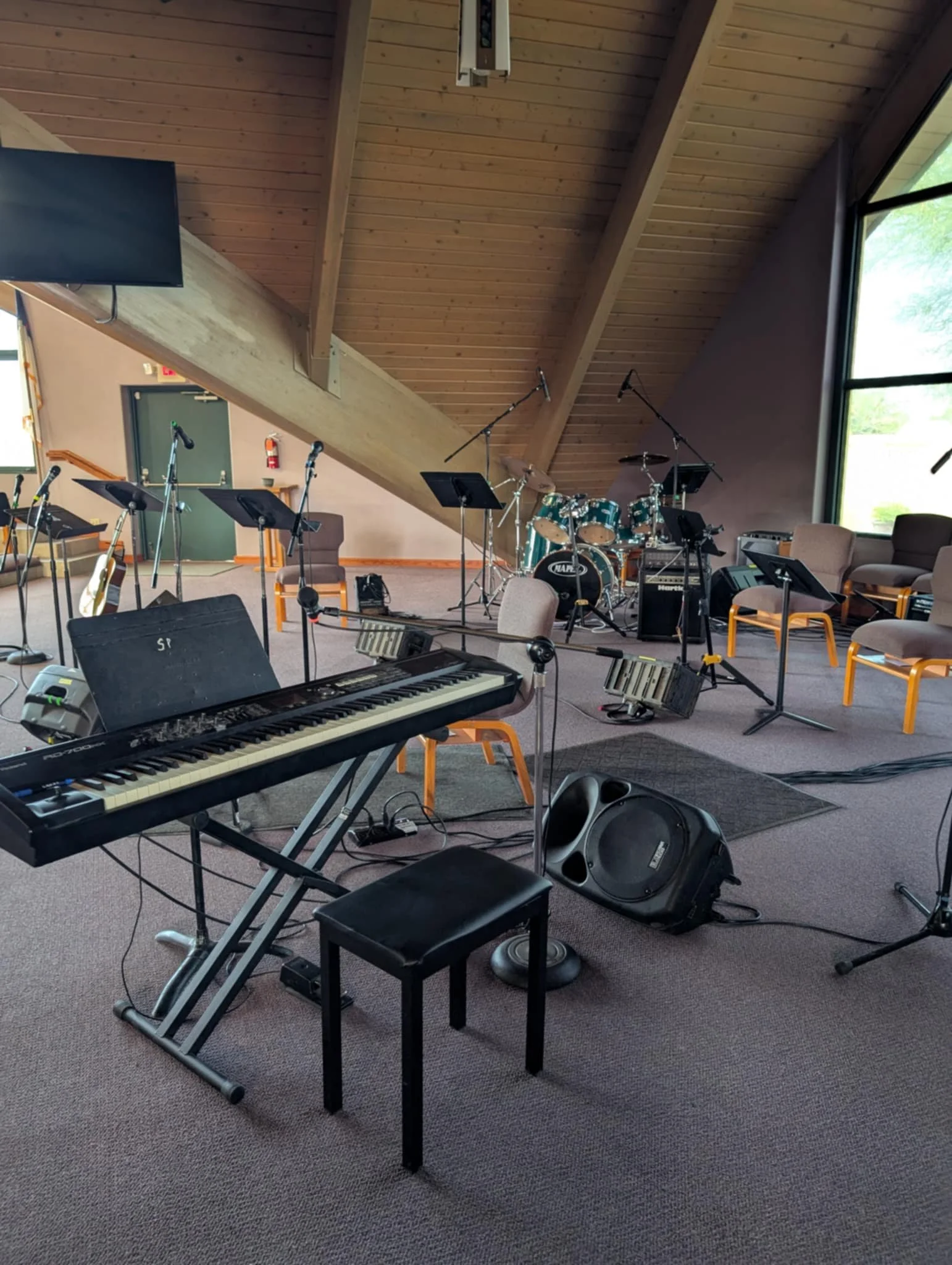

Traditional or Contemporary?
At Fountain of Life, rather than asking the question of whether we engage in traditional or contemporary style worship, we ask if we engage in good worship. Is the theology of the lyrics sound? Is the melody suitable for congregational singing? Is this a song that is going to effectively assist the congregation in praising the Lord? These are the questions that matter when we craft worship services here at Fountain of Life. As a result, our Divine Worship Service is blended - some old, some new, some traditional hymns, some contemporary songs!
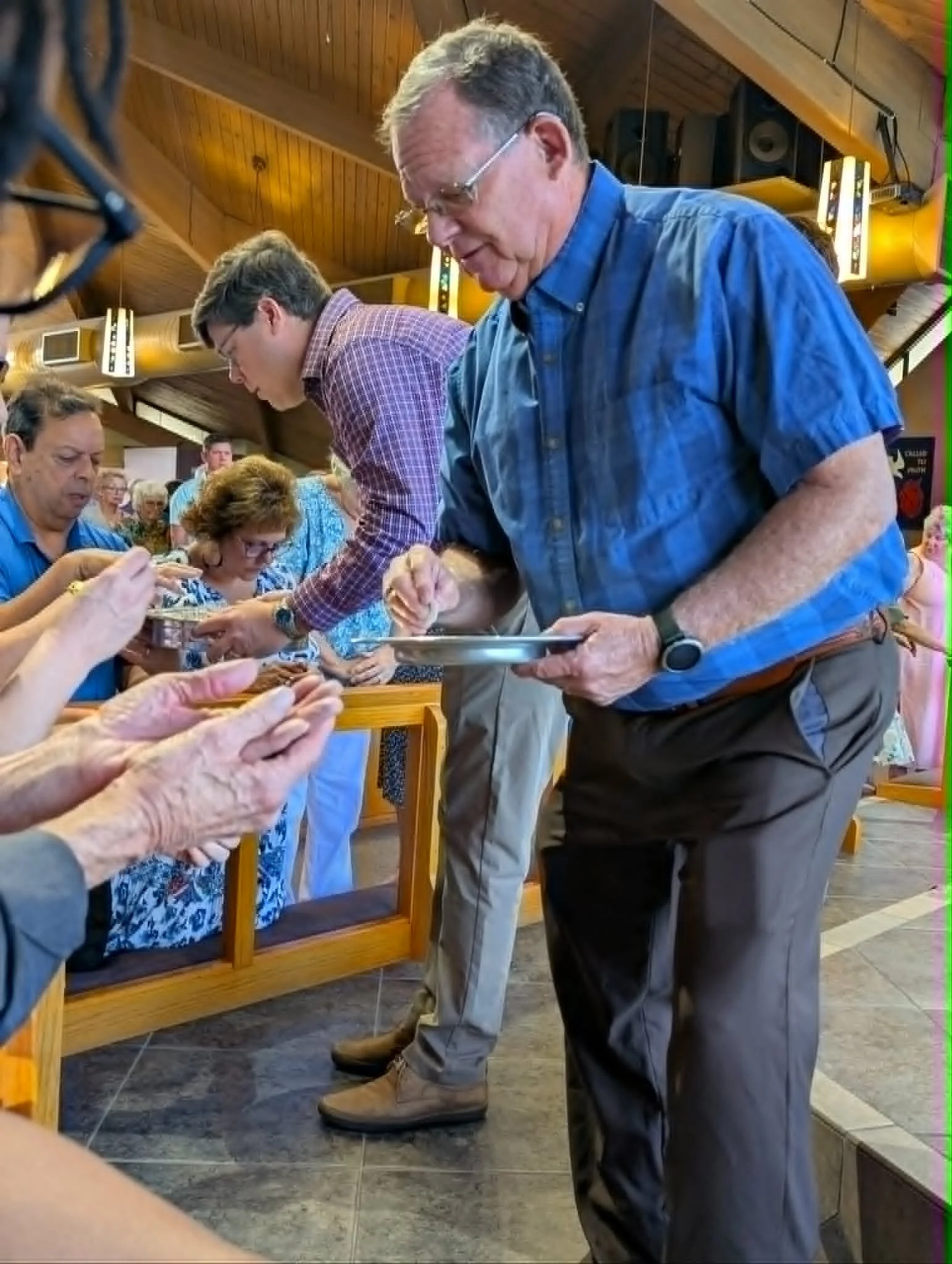
The Celebration of the Eucharist
If you are able to say “YES!” to each one of these statements, you are welcome to celebrate the Eucharist with us.
Self-examination prepares us for receiving Holy Communion.
The apostle Paul wrote, “Everyone should examine himself first, and then eat of the bread and drink from the cup.” I Cor. 11: 28
1. This sacrament is “for the forgiveness of sins.” I understand that I am a sinner, always in need forgiveness, and eagerly avail myself of this means of God’s grace. (Matthew 26:28)
2. As a baptized child of God, I believe wholeheartedly the creedal truths which proclaim the gospel: that God the Father has saved me through the work of Jesus on the cross, and has given me life through the Holy Spirit.
3. I believe that, when Jesus instituted the Eucharist, and said, “this is My body,” and “this is My blood”, that He was speaking of His very real presence in, around, under and through the sacramental elements. (1 Corinthians 10:16, 11:29)
Fountain of Life Spotify
Want to tune in to our congregation’s favorite songs throughout the week?
This playlist is updated regularly and can help you learn Fountain of Life’s best loved songs!